


Why Dry Eye Affects Women More Than Men
May 4th, 2026
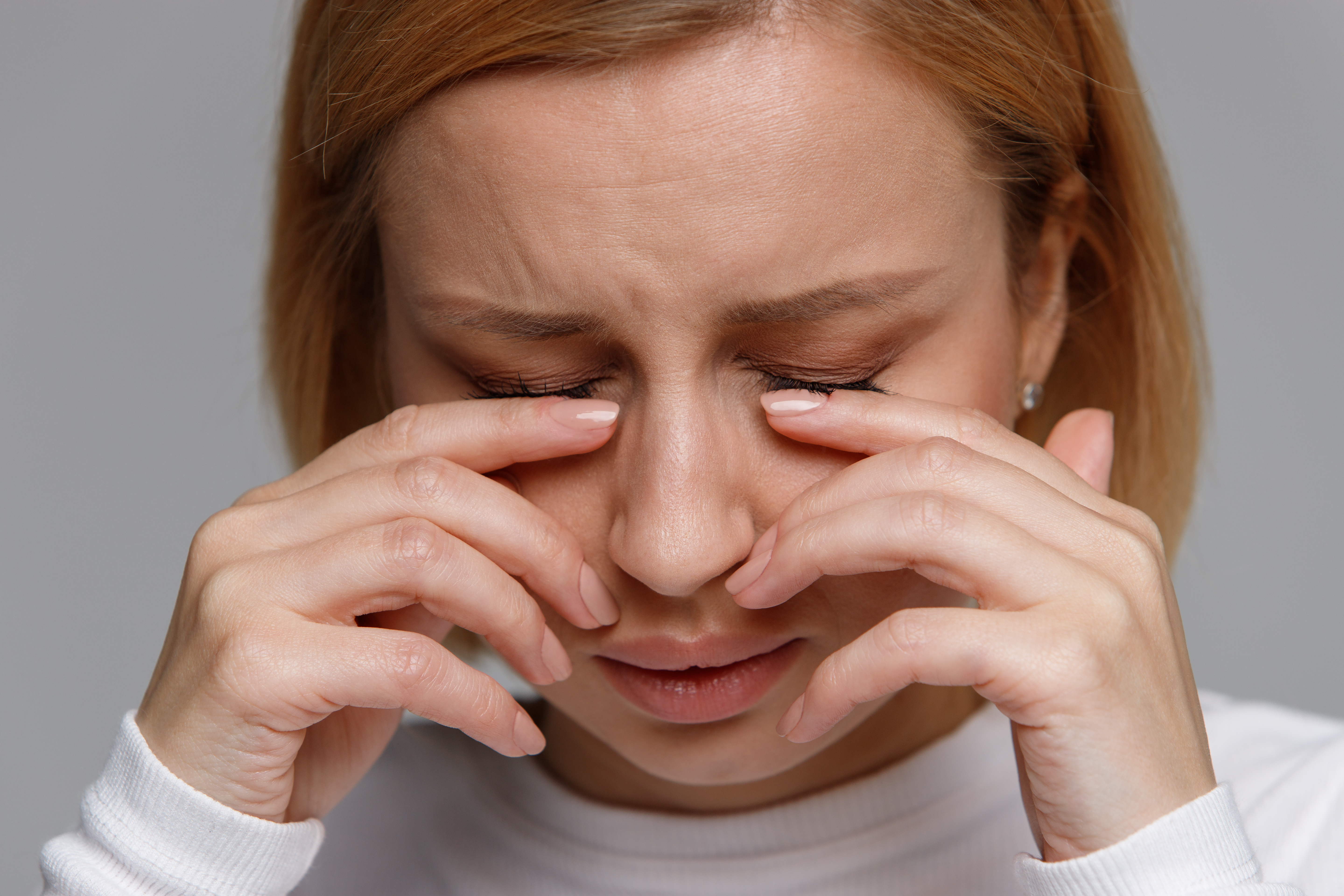
Dry eye can affect anyone, but women often experience symptoms more frequently and more intensely than men. At Northwest Eye Center, we see how hormonal changes, age, medications, and underlying health conditions can all play a role in dry eye discomfort. Understanding why this happens can help you recognize symptoms sooner and seek the right care.
Hormonal Changes Can Affect Tear Quality
Hormones help influence the health of the tear film, including the oil layer that keeps tears from evaporating too quickly. When hormone levels shift, tear production and tear stability can change. This is one reason women may notice dry eye symptoms during pregnancy, while using certain birth control methods, or during menopause.
Menopause Is a Common Trigger
Dry eye becomes more common with age, especially for women over 40. During and after menopause, changes in estrogen and androgen levels can affect the glands that support healthy tears. When the eyes do not have enough quality tears, symptoms like burning, stinging, redness, and blurry vision can become more noticeable.
Tear Evaporation and Meibomian Gland Dysfunction
Many cases of dry eye are linked to poor oil secretion from the meibomian glands. These glands help prevent tears from evaporating too quickly. When they become clogged or inflamed, the eyes may feel dry even if they are still producing watery tears.
Common signs of dry eye may include:
- Burning, stinging, or gritty sensations
- Blurry vision, especially between blinks
- Redness or eye fatigue
- Watery eyes that do not feel relieved
- Discomfort while wearing contact lenses
- Reduced comfort during reading or computer use
Medications and Health Conditions Can Contribute
Some medications can reduce tear production or make dry eye symptoms worse. These may include antihistamines, antidepressants, diuretics, and certain glaucoma drops. Women are also more likely to experience autoimmune conditions such as Sjögren’s syndrome, rheumatoid arthritis, and lupus, which can contribute to chronic dry eye.
How Daily Habits and Surroundings Can Worsen Dry Eye
Dry air, wind, smoke, screen use, and long periods of reading can make symptoms worse. When we focus on a screen or detailed task, we tend to blink less often. Fewer blinks can cause tears to evaporate faster, leading to irritation and eye fatigue throughout the day.
Dry Eye Relief Designed for Your Needs
Because dry eye can have different causes, treatment should be based on what is happening with your tear film and eyelid glands. At Northwest Eye Center, dry eye care may include options such as artificial tears, warm compresses, lid and lash cleaners, omega-3 support, prescription anti-inflammatory drops, punctal plugs, or IPL therapy to help address clogged oil glands.
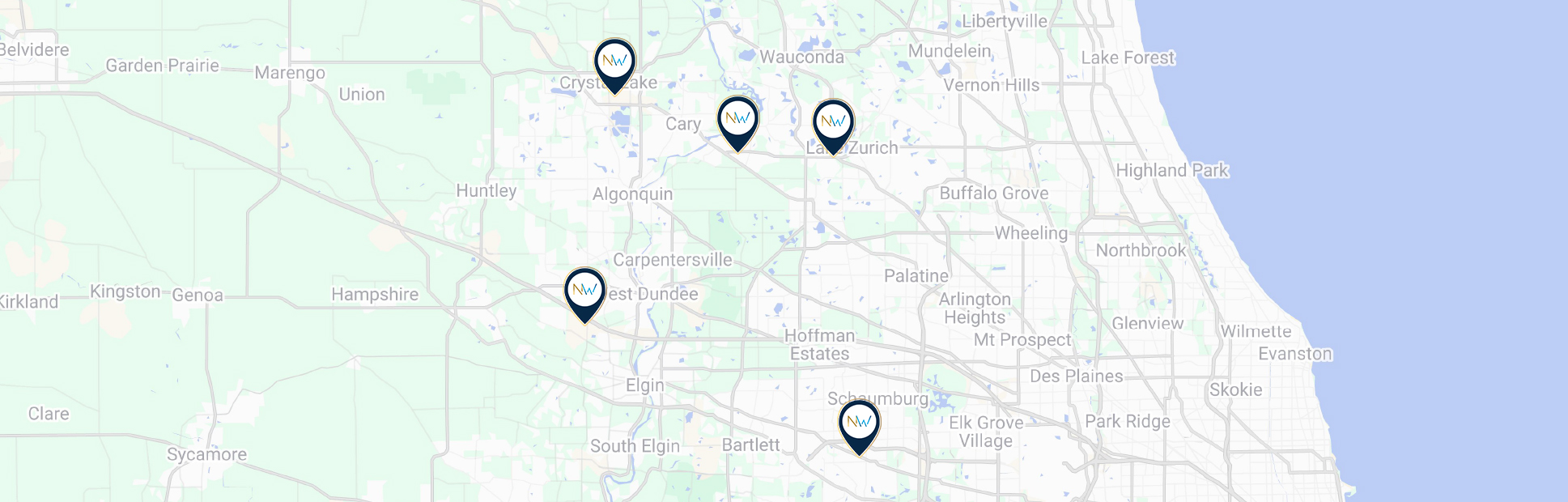
If dry, irritated, watery, or burning eyes are affecting your comfort, contact Northwest Eye Center to learn more about personalized dry eye treatment options. Visit our office in Barrington, Crystal Lake, or Elgin, Illinois. Please call (847) 382-3640, (815) 455-4222, or (847) 888-2020 to book an appointment.


MAP


Barrington Location
HOURS OF OPERATION
Monday 7:45am - 4:00pm
Tuesday 7:45am - 4:00pm
Wednesday 7:45am - 4:00pm
Thursday 7:45am - 4:00pm
Friday 7:45am - 4:00pm
Saturday 8:00am - 12:00pm**
Sunday Closed
**2nd and 3rd Saturday of the month
Crystal Lake Location
HOURS OF OPERATION
Monday 7:45am - 4:00pm
Tuesday 7:45am - 4:00pm
Wednesday 7:45am - 4:00pm
Thursday 7:45am - 4:00pm
Friday 7:45am - 4:00pm
Saturday 8:00am - 12:00pm**
Sunday Closed
**1st Saturday of the month
Elgin Location
HOURS OF OPERATION
Monday 7:45am - 4:00pm
Tuesday 7:45am - 4:00pm
Wednesday 7:45am - 4:00pm
Thursday 7:45am - 4:00pm
Friday 7:45am - 4:00pm
Saturday 8:00am - 12:00pm**
Sunday Closed
**4th and 5th Saturday of the month
Lake Zurich Location
HOURS OF OPERATION
Monday 8:00am - 4:30pm
Tuesday 8:00am - 4:30pm
Wednesday 8:00am - 4:30pm
Thursday 8:00am - 4:30pm
Friday 8:00am - 4:30pm
Saturday 8:00am - 1:00pm**
Sunday Closed
Roselle Location
HOURS OF OPERATION
Monday 8:00am - 4:00pm
Tuesday 8:00am - 4:00pm
Wednesday 8:00am - 4:00pm
Thursday 8:00am - 4:00pm
Friday 8:00am - 4:00pm
Saturday 8:00am - 1:00pm**
Sunday Closed
© 2026 Northwest Eye Center. All Rights Reserved. Accessibility Statement - Privacy Policy - Sitemap
Powered by: 