


When Eye Drops Aren’t Enough: Exploring OptiLight IPL for Dry Eye

February 18th, 2026
Dry, irritated eyes can be more than just a minor annoyance. When burning, redness, and fluctuating vision become part of your daily routine, it can affect your comfort, productivity, and overall quality of life. Many people reach for artificial tears or prescription drops hoping for lasting relief - only to find their symptoms keep coming back.
If eye drops aren’t solving the problem, the underlying issue may not be tear quantity alone. In many cases, dry eye is linked to inflammation and dysfunction within the eyelids themselves. Understanding and treating that root cause is the key to long-term relief.
Understanding the Real Cause of Dry Eye
Dry eye disease is complex. While some patients produce fewer tears, many struggle with evaporative dry eye, which happens when tears evaporate too quickly. The most common reason? Meibomian Gland Dysfunction (MGD).
Your meibomian glands line the edges of your eyelids and produce the oil layer of your tear film. This oil prevents tears from evaporating too quickly. When these glands become blocked or inflamed, they can’t release healthy oil. The result is unstable tears, irritation, and chronic dryness.
The Connection Between Blepharitis and Eyelid Health
Blepharitis, an inflammation of the eyelids, frequently accompanies MGD. It can cause:
- Red, swollen eyelids
- Crusting around the lashes
- Burning or stinging sensations
- A gritty feeling in the eyes
Inflammation from blepharitis can further disrupt the meibomian glands, creating a cycle of irritation and worsening dryness.
Healthy eyelids are essential for healthy tears. If the eyelids are inflamed or the oil glands are blocked, eye drops alone may not be enough to correct the underlying problem.
Why Eye Drops Sometimes Fall Short
Artificial tears can supplement moisture and temporarily soothe symptoms. Prescription drops may reduce inflammation or increase tear production. However, these treatments typically manage symptoms rather than address gland blockage or chronic eyelid inflammation. If MGD is the primary driver of your dry eye, the oil layer of your tears will remain compromised - no matter how many drops you use.
What Is OptiLight IPL?
OptiLight by Lumenis is the first and only FDA-approved Intense Pulsed Light (IPL) treatment specifically designed to manage dry eye disease caused by MGD. IPL technology safely and effectively treats the inflammation contributing to meibomian gland dysfunction.
OptiLight IPL uses controlled pulses of light applied to the skin around the eyes. These pulses:
- Reduce abnormal blood vessels that contribute to inflammation
- Decrease inflammatory mediators in the eyelids
- Improve the function of the meibomian glands
- Enhance the quality of the oil layer in the tear film
By targeting inflammation at its source, IPL helps restore healthier gland function rather than simply masking symptoms.
Benefits of OptiLight IPL
Patients who undergo OptiLight IPL treatment often report:
- Reduced burning and irritation
- Improved tear stability
- Less dependence on artificial tears
- Clearer, more comfortable vision
- Healthier-looking eyelids
Treatment typically involves a series of sessions spaced a few weeks apart, followed by maintenance as recommended by your eye doctor.
Discover a Better Solution for Dry Eye with Northwest Eye Center
Dry eye disease isn’t always just about tears - it’s often about eyelid health and inflammation. If eye drops haven’t provided lasting relief, the underlying cause may be Meibomian Gland Dysfunction or chronic blepharitis. OptiLight IPL offers a clinically proven, non-invasive treatment designed to address the root cause of evaporative dry eye. By improving gland function and reducing inflammation, it helps restore comfort and stability to your eyes.
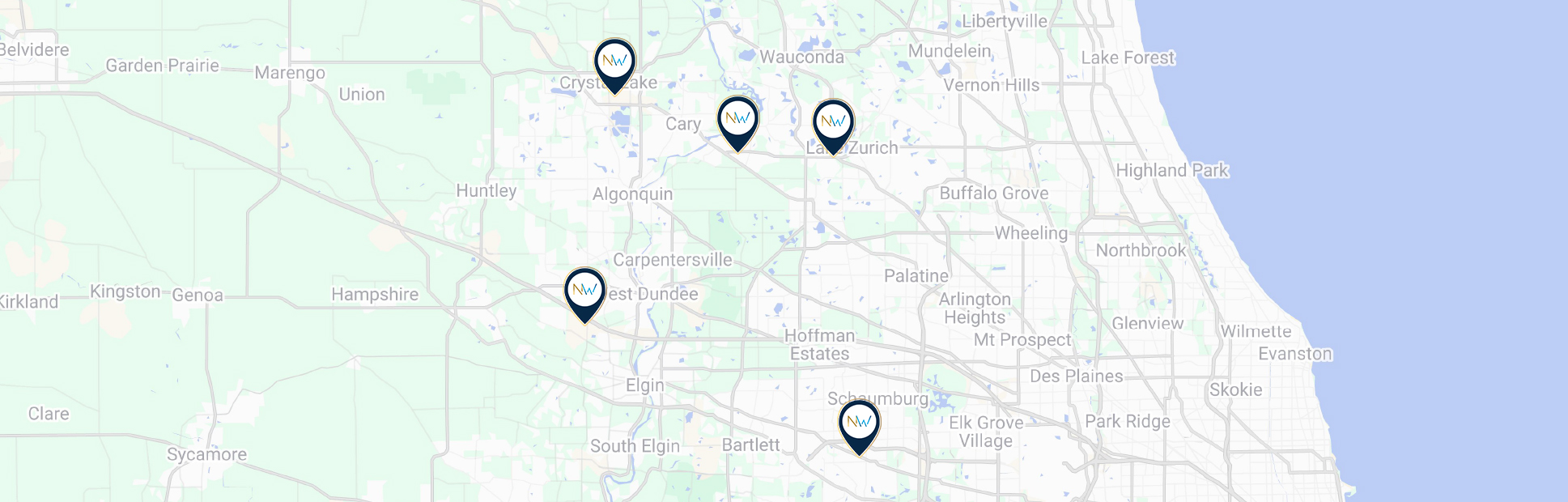
If you’re ready to explore a more advanced solution for dry eye, contact Northwest Eye Center to schedule an evaluation. Our team can determine whether OptiLight IPL is right for you and create a personalized treatment plan to help you achieve long-term relief. Visit our office in Barrington, Crystal Lake, or Elgin, Illinois. Please call (847) 382-3640, (815) 455-4222, or (847) 888-2020 to book an appointment today.


MAP


Barrington Location
HOURS OF OPERATION
Monday 7:45am - 4:00pm
Tuesday 7:45am - 4:00pm
Wednesday 7:45am - 4:00pm
Thursday 7:45am - 4:00pm
Friday 7:45am - 4:00pm
Saturday 8:00am - 12:00pm**
Sunday Closed
**2nd and 3rd Saturday of the month
Crystal Lake Location
HOURS OF OPERATION
Monday 7:45am - 4:00pm
Tuesday 7:45am - 4:00pm
Wednesday 7:45am - 4:00pm
Thursday 7:45am - 4:00pm
Friday 7:45am - 4:00pm
Saturday 8:00am - 12:00pm**
Sunday Closed
**1st Saturday of the month
Elgin Location
HOURS OF OPERATION
Monday 7:45am - 4:00pm
Tuesday 7:45am - 4:00pm
Wednesday 7:45am - 4:00pm
Thursday 7:45am - 4:00pm
Friday 7:45am - 4:00pm
Saturday 8:00am - 12:00pm**
Sunday Closed
**4th and 5th Saturday of the month
Lake Zurich Location
HOURS OF OPERATION
Monday 8:00am - 4:30pm
Tuesday 8:00am - 4:30pm
Wednesday 8:00am - 4:30pm
Thursday 8:00am - 4:30pm
Friday 8:00am - 4:30pm
Saturday 8:00am - 1:00pm**
Sunday Closed
Roselle Location
HOURS OF OPERATION
Monday 8:00am - 4:00pm
Tuesday 8:00am - 4:00pm
Wednesday 8:00am - 4:00pm
Thursday 8:00am - 4:00pm
Friday 8:00am - 4:00pm
Saturday 8:00am - 1:00pm**
Sunday Closed
© 2026 Northwest Eye Center. All Rights Reserved. Accessibility Statement - Privacy Policy - Sitemap
Powered by: 