


After OptiLight: How Dry Eye Progress Is Monitored
November 4, 2026
Completing OptiLight treatment is an important step in managing chronic dry eye, but monitoring your progress is just as important. While some patients notice improved comfort after a few sessions, others experience more gradual changes. At Northwest Eye Center, we evaluate how your eyes respond to treatment and determine whether additional care or maintenance may be beneficial.
Why Follow-Up Care Matters After OptiLight
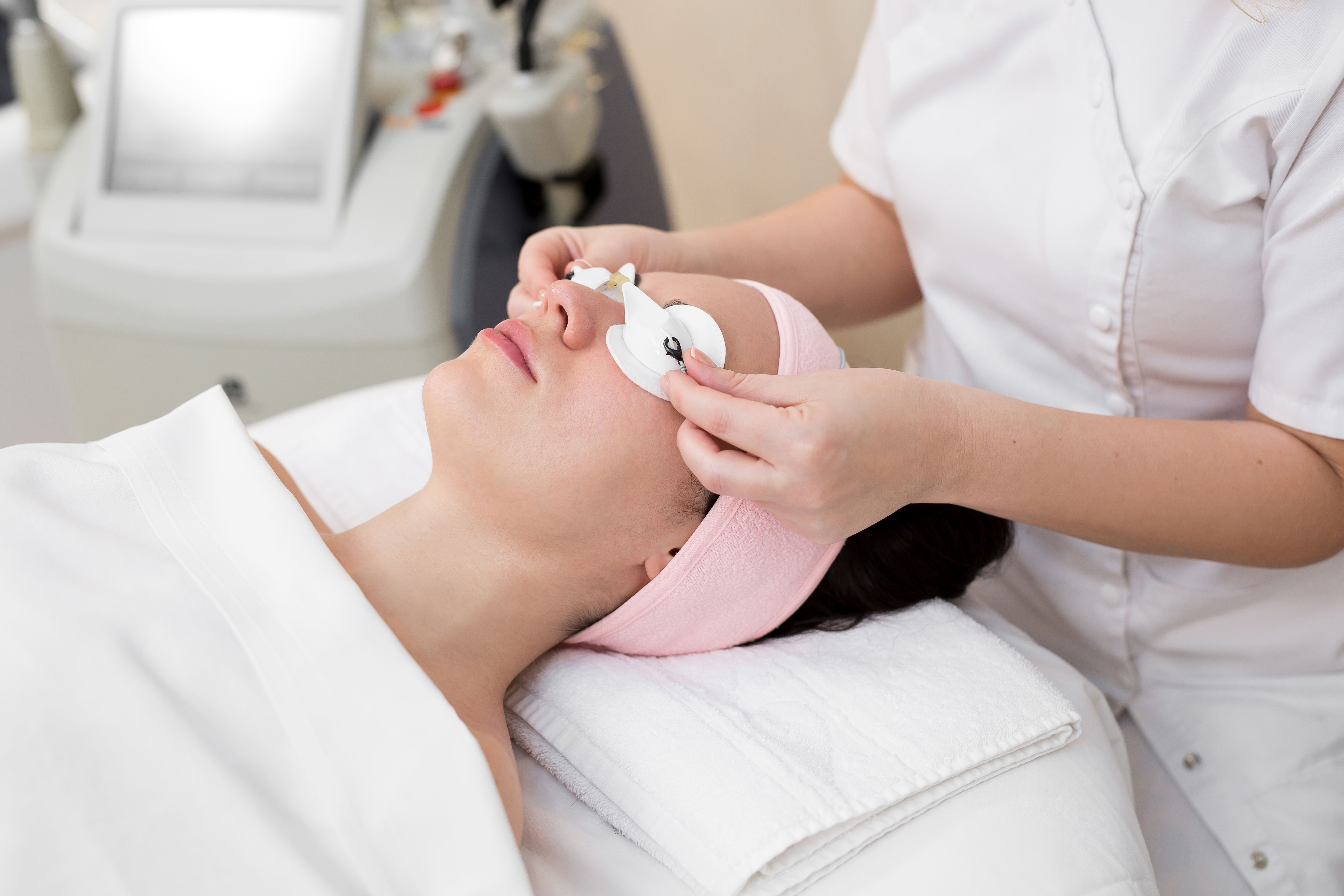
OptiLight by Lumenis uses intense pulsed light (IPL) technology to address inflammation associated with dry eye and meibomian gland dysfunction. These glands produce the oils that help prevent tears from evaporating too quickly.
Although OptiLight can improve symptoms, dry eye is often a chronic condition that requires ongoing management. Follow-up appointments allow us to assess treatment effectiveness, monitor changes in gland function, and identify any remaining concerns.
How We Measure Dry Eye Improvement
During follow-up visits, we compare your current symptoms and eye health with findings from previous evaluations. This helps us determine whether treatment is providing meaningful improvement.
Several factors may be assessed, including:
• Tear Film Stability: Evaluating how well tears remain on the eye's surface between blinks.
• Meibomian Gland Function: Checking whether the eyelid glands are producing and releasing oils effectively.
• Eyelid Inflammation: Looking for changes in redness, swelling, or irritation around the eyelids.
• Symptom Changes: Discussing improvements in dryness, burning, fluctuating vision, and contact lens comfort.
• Daily Comfort: Reviewing whether activities such as reading, driving, or using digital screens have become more comfortable.
These findings help us evaluate your progress and make informed recommendations for continued dry eye care.
When Should You Expect Results?
OptiLight treatment at Northwest Eye Center typically involves four sessions spaced two to four weeks apart. Some patients experience improvement during the treatment series, while others notice changes more gradually.
We assess your response throughout the process rather than relying on a single appointment. Depending on your progress, meibomian gland expression may also be incorporated toward the end of the treatment series. Because every patient's dry eye condition is different, the timing and extent of improvement can vary.
Maintaining Your Results After Treatment
Even when dry eye symptoms improve, environmental factors, eyelid inflammation, and underlying gland dysfunction can continue to affect tear quality.
Maintenance OptiLight treatments may be recommended approximately every six to twelve months, depending on your individual needs. We may also recommend supportive measures such as eyelid hygiene, warm compresses, or lubricating eye drops when appropriate. Our goal is to help you maintain more comfortable eyes through personalized treatment and consistent monitoring.
Schedule Your Dry Eye Follow-Up
If you've completed OptiLight treatment and want to evaluate your progress, schedule a dry eye follow-up with Northwest Eye Center to continue managing your dry eye symptoms with personalized care. Contact our Barrington office at (847) 382-3640, Crystal Lake at (815) 455-4222, Elgin at (847) 888-2020, Lake Zurich at (847) 540-1144, or Roselle at (630) 529-7420 to book an appointment today.


Barrington Location
HOURS OF OPERATION
Monday 7:45am - 4:00pm
Tuesday 7:45am - 4:00pm
Wednesday 7:45am - 4:00pm
Thursday 7:45am - 4:00pm
Friday 7:45am - 4:00pm
Saturday 8:00am - 12:00pm**
Sunday Closed
**2nd and 3rd Saturday of the month
Crystal Lake Location
HOURS OF OPERATION
Monday 7:45am - 4:00pm
Tuesday 7:45am - 4:00pm
Wednesday 7:45am - 4:00pm
Thursday 7:45am - 4:00pm
Friday 7:45am - 4:00pm
Saturday 8:00am - 12:00pm**
Sunday Closed
**1st Saturday of the month
Elgin Location
HOURS OF OPERATION
Monday 7:45am - 4:00pm
Tuesday 7:45am - 4:00pm
Wednesday 7:45am - 4:00pm
Thursday 7:45am - 4:00pm
Friday 7:45am - 4:00pm
Saturday 8:00am - 12:00pm**
Sunday Closed
**4th and 5th Saturday of the month
Lake Zurich Location
HOURS OF OPERATION
Monday 8:00am - 4:30pm
Tuesday 8:00am - 4:30pm
Wednesday 8:00am - 4:30pm
Thursday 8:00am - 4:30pm
Friday 8:00am - 4:30pm
Saturday 8:00am - 1:00pm**
Sunday Closed
Roselle Location
HOURS OF OPERATION
Monday 8:00am - 4:00pm
Tuesday 8:00am - 4:00pm
Wednesday 8:00am - 4:00pm
Thursday 8:00am - 4:00pm
Friday 8:00am - 4:00pm
Saturday 8:00am - 1:00pm**
Sunday Closed
© 2026 Northwest Eye Center. All Rights Reserved. Accessibility Statement - Privacy Policy - Sitemap
Powered by: 